Flu Season Update: Understanding What's Circulating & Debunking Prevention Myths
The crisp air, shorter days, and the start of the school year often bring with them an unwelcome guest: flu season. A common question on many minds, especially for parents, is "
Welche Grippe geht gerade rum?" – what flu is currently circulating? This isn't always a straightforward answer, as the term "flu" can refer to several different illnesses, and understanding these distinctions is key to effective prevention. Beyond identifying the prevalent pathogens, it's equally important to separate fact from fiction when it comes to keeping ourselves and our families healthy.
Understanding What's "Going Around": More Than Just Influenza
When people ask "what flu is going around?", they're often referring to two primary categories of illness: the respiratory influenza virus and viral gastroenteritis, commonly known as the "stomach flu." While both can cause misery, they are caused by different viruses and affect different body systems.
*
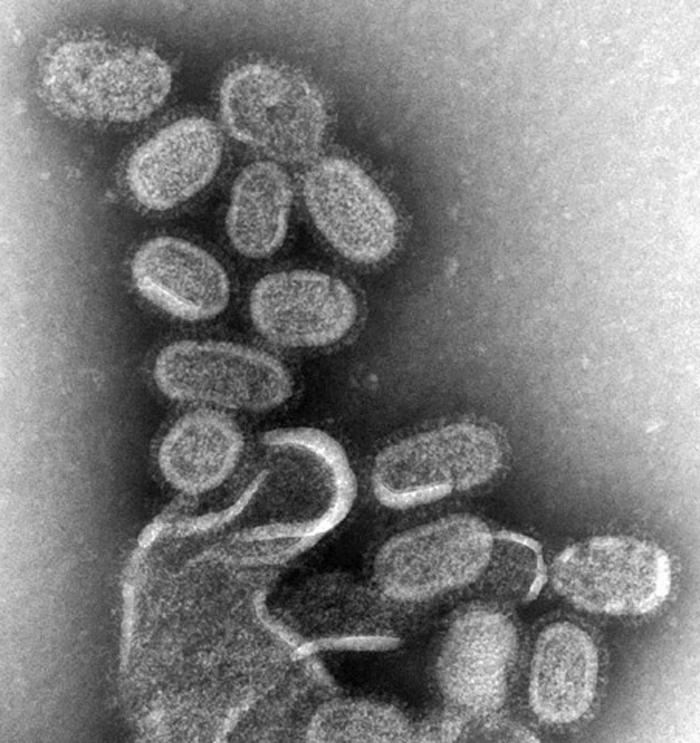
Seasonal Influenza (The "True Flu"): This is a respiratory illness caused by influenza viruses. Symptoms typically include fever, body aches, cough, sore throat, and fatigue. It can range from mild to severe, sometimes leading to serious complications like pneumonia. Influenza outbreaks tend to follow predictable seasonal patterns, peaking in colder months. The good news is that thanks to factors like recent sunny spells and school holidays, influenza activity can sometimes wane in certain regions, giving medical staff and families a much-needed break from runny noses and constant consultations. However, as one type of illness subsides, our immune systems are often then left to contend with other common childhood infections like scarlet fever, warts, or general diarrheal illnesses.
*
Viral Gastroenteritis (The "Stomach Flu"): Often caused by noroviruses or rotaviruses, this is characterized by nausea, vomiting, diarrhea, and stomach cramps. It's notoriously unpleasant, as many parents can attest – especially when it sweeps through an entire household. The sheer volume of laundry and the constant vigilance required for a sick child, let alone when parents themselves are affected, can be an immense challenge. Settings like kindergartens are indeed ideal breeding grounds for such pathogens, with new illnesses frequently making their rounds. The rapid spread of viruses like Norovirus, as experienced in communal settings such as a Mutter-Kind-Kur (mother-child rehabilitation clinic), highlights the need for robust preventative strategies.
It’s crucial to remember that these illnesses often circulate simultaneously. Therefore, staying informed about general public health trends and focusing on broad-spectrum preventative measures are more effective than trying to pinpoint one specific "flu" at any given moment.
Debunking Common Prevention Myths: Viruses vs. Bacteria
One of the most persistent prevention myths revolves around the use of antibacterial products. Take, for instance, the common advertising claim that certain disinfectants eliminate 99.9% of bacteria. While this might be true for bacteria, the fundamental issue is that
influenza and most forms of stomach flu are caused by viruses, not bacteria.
Viruses are tiny infectious agents that replicate inside the living cells of other organisms, whereas bacteria are single-celled organisms that can live and reproduce on their own. This distinction is vital for prevention:
*
Antibacterial products are ineffective against viruses. Relying solely on antibacterial sprays or gels to prevent a viral infection like the flu or Norovirus is a fundamental misunderstanding. While these products can reduce bacterial load on surfaces, they won't directly stop viral transmission.
*
The real hero: Handwashing with soap and water. For both bacteria and viruses, especially those that cause respiratory and gastrointestinal illnesses, thorough handwashing with plain soap and water for at least 20 seconds is the gold standard. Soap physically lifts germs from the skin, and the running water rinses them away. This mechanical action is highly effective against viruses, which often have a lipid (fat) envelope that soap can disrupt.
*
Other myths: Similarly, antibiotics, which target bacterial infections, are useless against viral illnesses. Over-reliance on "mega-doses" of Vitamin C as a sole preventative measure, while a healthy diet is important, lacks robust scientific backing for preventing viral infections in most healthy individuals.
While maintaining a clean environment is always beneficial for overall hygiene, understanding the specific enemy (virus vs. bacteria) allows for much more targeted and effective prevention strategies.
Bolstering Your Inner Defenses: Gut Health & Immune Support
Beyond external hygiene, cultivating a strong internal defense system is paramount. Our bodies are naturally equipped with incredible immune capabilities, and we can significantly enhance them through conscious choices.
One powerful area to focus on is
gut health. The gut microbiome – the trillions of bacteria and other microorganisms residing in our digestive tract – plays a crucial role in immune function. When this delicate balance is disrupted, we can become more susceptible to illness. Insights from medical professionals, like those gained during a Mutter-Kind-Kur, emphasize that a robust gut flora can act as a powerful barrier against pathogens.
*
Probiotics for Gut Flora: Incorporating darmaufbauende Kapseln, or probiotic supplements, can help "rebuild" and strengthen the gut flora. These beneficial bacteria create an environment less hospitable to harmful pathogens, helping your immune system stay on "forward drive." For children, these capsules can often be opened, and the powder mixed into yogurt or water, making them palatable even for picky eaters. Many families have found success with this approach, being among the few to remain healthy even when illnesses like Norovirus are widespread.
*
Propolis: Nature's Immune Booster: Another remarkable natural remedy, less known but highly effective, is Propolis. This resinous substance, also known as "bee glue" or "Bienenkit" in German, is collected by bees from tree buds and used to seal gaps in their hives. It acts as an antiseptic barrier, protecting the colony and developing larvae from cold, bacteria, and other external threats. A beekeeper can prepare a solution from Propolis that can be taken orally, either pure, diluted in water, or on a spoon of sugar. Many people find it helpful at the first sign of a scratchy throat or general malaise, leveraging its potent antimicrobial and immune-modulating properties. To dive deeper into these natural preventative measures, read our related article:
Stomach Flu Survival: Probiotics & Propolis for Prevention.
Beyond targeted supplements, don't underestimate the power of foundational healthy habits: a diet rich in vitamins and minerals from fresh fruits and vegetables, adequate sleep, regular physical activity, and effective stress management all contribute to a resilient immune system. While preparing fresh meals can be challenging with a busy schedule, even small consistent efforts make a difference.
Practical Strategies for Family Protection
Knowing what's circulating and how to strengthen your immune system is a great start. Here are actionable tips to protect your family during flu season and beyond:
*
Master Hand Hygiene: Teach and reinforce proper handwashing techniques. Remind children (and adults!) to wash hands frequently, especially after coughing, sneezing, using the bathroom, and before eating. Hand sanitizers are a good alternative when soap and water aren't available, but they are not a replacement for thorough washing.
*
Avoid Touching the Face: Viruses often enter the body through the eyes, nose, and mouth. Consciously try to avoid touching your face, and teach children this habit.
*
Stay Home When Sick: This is one of the most critical steps to prevent spread. If you or your children are experiencing symptoms, keep them home from school, daycare, or work to avoid infecting others.
*
Cover Coughs and Sneezes: Use a tissue to cover coughs and sneezes, then dispose of it immediately and wash your hands. If no tissue is available, cough or sneeze into your elbow, not your hands.
*
Regular Cleaning: Routinely clean and disinfect frequently touched surfaces (doorknobs, light switches, remote controls, toys). While antibacterial products aren't magic against viruses, general cleaning reduces the overall germ load.
*
Consider Flu Vaccination: For influenza, the annual flu vaccine remains one of the most effective ways to prevent infection or reduce the severity of illness. Discuss vaccination options with your healthcare provider.
*
Promote a Healthy Lifestyle: As mentioned, a balanced diet, sufficient sleep, and regular exercise are non-negotiable for a robust immune system.
By combining these practical strategies with an understanding of how different illnesses spread and how to bolster your body's natural defenses, you can significantly reduce your family's risk of falling ill. For a deeper dive into protecting your loved ones, explore our article:
Which Flu Is Going Around? Gut Health for Family Protection.
Conclusion
The question "Welche Grippe geht gerade rum?" encapsulates a universal concern during colder months. While specific viruses may ebb and flow, a proactive approach to health remains our best defense. By understanding the true nature of circulating pathogens, dispelling common myths, prioritizing excellent hygiene, and nurturing our body's internal immune system through gut health and natural supports, we empower ourselves and our families to navigate flu season with greater resilience. Stay informed, stay vigilant, and embrace holistic strategies for wellness that stand the test of any season.