Which Flu Is Going Around? Gut Health for Family Protection
The question, "
Welche Grippe geht gerade rum?" (Which flu is going around?), is a common refrain in households, especially during cooler months or when children are back in school. It often conjures images of sniffling noses, persistent coughs, and body aches. However, the term "flu" can be a bit misleading. There's the seasonal influenza, caused by specific respiratory viruses, and then there's the equally dreaded "stomach flu," or gastroenteritis, which attacks the digestive system. Understanding the difference and knowing how to protect your family from both, particularly through the often-underestimated power of gut health, is crucial for staying healthy year-round.
Many products, like certain disinfectants, market themselves as killing 99.9% of bacteria, especially during flu season. While excellent for general hygiene, it's vital to remember that the common cold and most forms of "flu" – both respiratory and gastrointestinal – are caused by viruses, not bacteria. This fundamental distinction means that antibacterial sprays won't directly combat the viral invaders causing your family's misery. Effective prevention strategies need to target the specific nature of these infections. For a deeper dive into common flu myths and what's actually circulating, check out our article on
Flu Season Update: What's Circulating & Prevention Myths.
Navigating Flu Season: Respiratory vs. Gastrointestinal
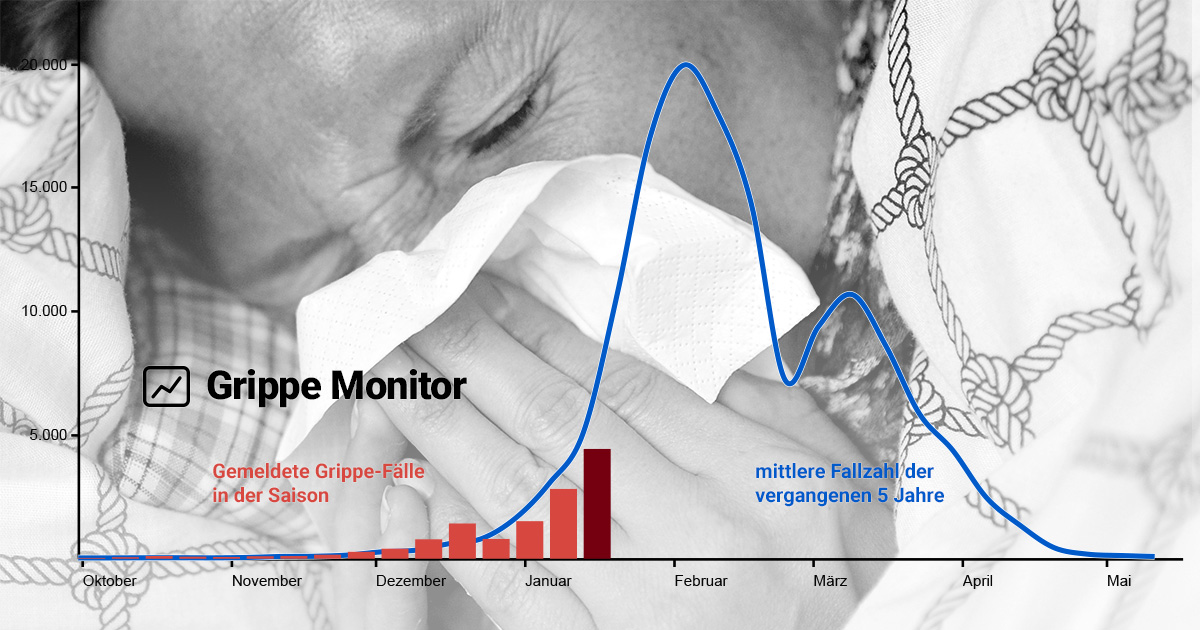
When we speak of "the flu," most people immediately think of influenza – a contagious respiratory illness caused by influenza viruses. Symptoms typically include fever, cough, sore throat, muscle aches, and fatigue. This type of flu often peaks in winter and early spring, and thankfully, as the sunnier days and holidays arrive, we often see a decline in these cases. This allows our immune systems a much-needed break from the constant barrage of typical winter ailments.
However, the "stomach flu" is an entirely different beast, though equally disruptive. Medically known as gastroenteritis, it's an inflammation of the stomach and intestines, most commonly caused by viruses like Norovirus and Rotavirus. Unlike respiratory flu, stomach flu can strike at any time of the year, though outbreaks are common in communal settings like schools and kindergartens. The symptoms – vomiting, diarrhea, stomach cramps, and sometimes a low-grade fever – are notoriously unpleasant and highly contagious. The speed at which it can spread through an entire family is astounding, turning homes into temporary infirmaries filled with laundry piles and strategically placed buckets.
The Unwelcome Guest: Battling Stomach Flu in the Family
For many parents, the stomach flu holds a special place in the pantheon of dreaded childhood illnesses. Imagine this scenario: a notification sign appears on the kindergarten door, innocently stating "Magendarm-Grippe" (stomach flu) is making the rounds. For most, this immediately triggers a sense of dread. You know that by the time the sign goes up, it's likely already too late, and the invisible pathogens are probably already lurking.
The logistical nightmare of a stomach flu outbreak at home is unparalleled. Constant vigilance is required, ensuring hydration, managing symptoms, and endlessly cleaning. But the true test comes when the entire family falls ill. When parents themselves are laid low, yet still must muster the strength to care for a "puking posse," it becomes an epic challenge of endurance and resilience. One particularly vivid memory from a mother-child retreat involved a widespread Norovirus outbreak. The doctor there shared a game-changing piece of advice: fortifying the gut flora. This simple yet powerful strategy not only helped our family stay healthy but also offers a beacon of hope for many others. For more specific insights into how to tackle this beast, dive into our comprehensive guide:
Stomach Flu Survival: Probiotics & Propolis for Prevention.
Gut Health: Your Family's First Line of Defense
The concept of "gut health" has moved from niche wellness circles to mainstream awareness, and for good reason. Our gut, often referred to as our "second brain," plays a monumental role in our overall immune function. A healthy gut microbiome – the trillions of bacteria, fungi, and other microbes living in our digestive tract – is crucial for defending against pathogens, aiding digestion, and even influencing mood.
Probiotics: The Gut's Best Friends
One of the most effective ways to bolster gut health is through probiotics. These are live microorganisms, often beneficial bacteria, that, when administered in adequate amounts, confer a health benefit on the host. The experience during the Norovirus outbreak at the mother-child retreat highlighted their incredible potential. By taking "darmaufbauende Kapseln" (gut-building capsules), which are essentially probiotics, many families were able to fortify their digestive systems against the virulent Norovirus, significantly reducing their chances of getting sick.
How do probiotics work? They create a robust, balanced environment in your gut, competing with harmful bacteria and viruses for space and resources. They also help strengthen the gut lining, making it more difficult for pathogens to penetrate and cause infection. For children, administering probiotics can be straightforward. If capsules are too large, many can be opened and the tasteless powder mixed into a small amount of yogurt, applesauce, or even water. Consistency is key; a daily dose can make a remarkable difference in maintaining a resilient gut. When choosing a probiotic, look for reputable brands with a diverse range of strains and a high CFU count, appropriate for your family's age group.
Beyond Probiotics: The Power of Propolis
While not directly a gut health supplement in the same vein as probiotics, propolis offers another layer of natural defense, particularly for overall immune support. This incredible substance, often called "bee glue," is created by bees from tree resins, beeswax, and their own secretions. Bees use propolis to seal gaps in their hives, protecting them from external threats, cold, and various pathogens – essentially, it's their immune system for the hive.
Harnessing this natural protectant, propolis has been used for centuries for its potential health benefits. It's rich in antioxidants and boasts natural antimicrobial, anti-inflammatory, and immune-modulating properties. While not a pharmaceutical drug, many individuals swear by its ability to ward off illness or shorten its duration. When a scratchy throat signals the potential onset of a cold or flu, a few drops of propolis solution, taken pure, with water, or on a spoonful of honey, can provide significant comfort and support. It acts as a general immune booster, helping the body to fight off various ailments, including those associated with viral infections.
Holistic Prevention Strategies for All Seasons
While gut health strategies like probiotics and propolis offer powerful targeted protection, a holistic approach combining several daily habits remains your best bet against infectious diseases, no matter "
welche Grippe gerade rumgeht."
*
Impeccable Hand Hygiene: This cannot be overstated. Frequent and thorough handwashing with soap and water, especially after using the restroom, before eating, and after being in public places, is your primary defense against the spread of germs. Teach children the importance of not touching their faces, particularly their eyes, nose, and mouth, as this is how many viruses enter the body.
*
Nutrient-Rich Diet: A balanced diet packed with fruits, vegetables, whole grains, and lean proteins provides the essential vitamins, minerals, and antioxidants your immune system needs to function optimally. While busy schedules can make "fresh cooking" a challenge, even simple additions like smoothies, pre-cut veggies, or nutrient-dense snacks can make a difference.
*
Adequate Rest: Sleep is often overlooked but plays a critical role in immune function. When we sleep, our bodies produce protective proteins called cytokines. Chronic sleep deprivation can decrease the production of these infection-fighting antibodies and cells. Ensure your family, especially children, gets enough quality sleep.
*
Stress Management: Chronic stress can suppress the immune system, making individuals more susceptible to illness. Incorporate stress-reducing activities like outdoor play, mindfulness, or simply quiet family time.
*
Fresh Air and Sunshine: Spending time outdoors, even for short periods, can boost mood, provide vitamin D (crucial for immune health), and allow for physical activity. The natural light can also help regulate sleep patterns, further supporting immunity.
Conclusion
Understanding "
welche Grippe gerade rumgeht" and the subtle differences between respiratory and gastrointestinal infections empowers you to choose the most effective defense strategies. While diligent hygiene and a balanced lifestyle are foundational, leveraging the power of gut health through probiotics offers a remarkable, science-backed advantage in preventing debilitating stomach flu. Adding natural immune boosters like propolis further enhances your family's resilience. By adopting a comprehensive, proactive approach to health, you can equip your family with strong internal defenses, helping them stay vibrant and active, even when sickness seems to be spreading everywhere. Invest in your family's gut health, and you're investing in their overall well-being and protection against the unseen viral invaders.